
Yusuf El-Mbayed -Gaza – May 2026
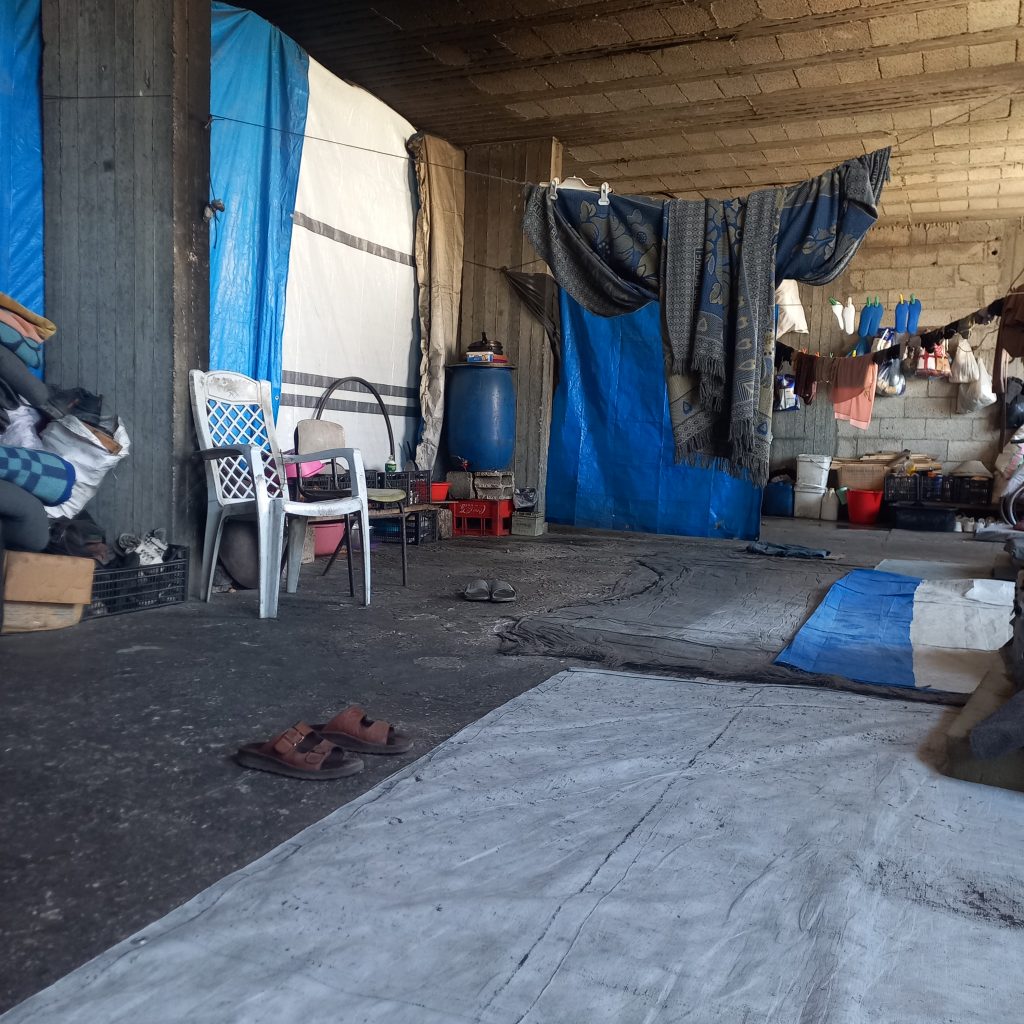
I never thought I’d be forced to leave my beloved neighbourhood; violently driven out and torn from my roots. Now, houseless and desperate in Gaza, I struggle to accept the loss of the only home I’ve ever known
al-Shujaiya
The last time I saw al-Shujaiya was on October 7. Back then, the streets were alive with the voices of our neighbours, many of whom are now martyrs – murdered by the IOF. Children ran freely and played hide and seek, while adults called out from the balconies above. The familiar sounds of donkey-cart vendors, which once filled the air, have been seemingly-forever silenced by deafening bombs and military assaults. Our pre-October 7 reality, albeit heavy and oppressive under siege and occupation, feels worlds away from the genocidal conditions we now endure.
Back in the day
As kids, my friends and I loved pulling pranks on passersby: splashing them with water from hidden corners and rooftops and running away before they could catch us. Sometimes, we launched sneak attacks with handheld slingshots, laughing as we scattered. We miss those carefree, sunny days when death didn’t seem so imminent. Back then, small moments of laughter still survived. The streets had not yet become graveyards of rubble and silence; childhood found ways to endure.
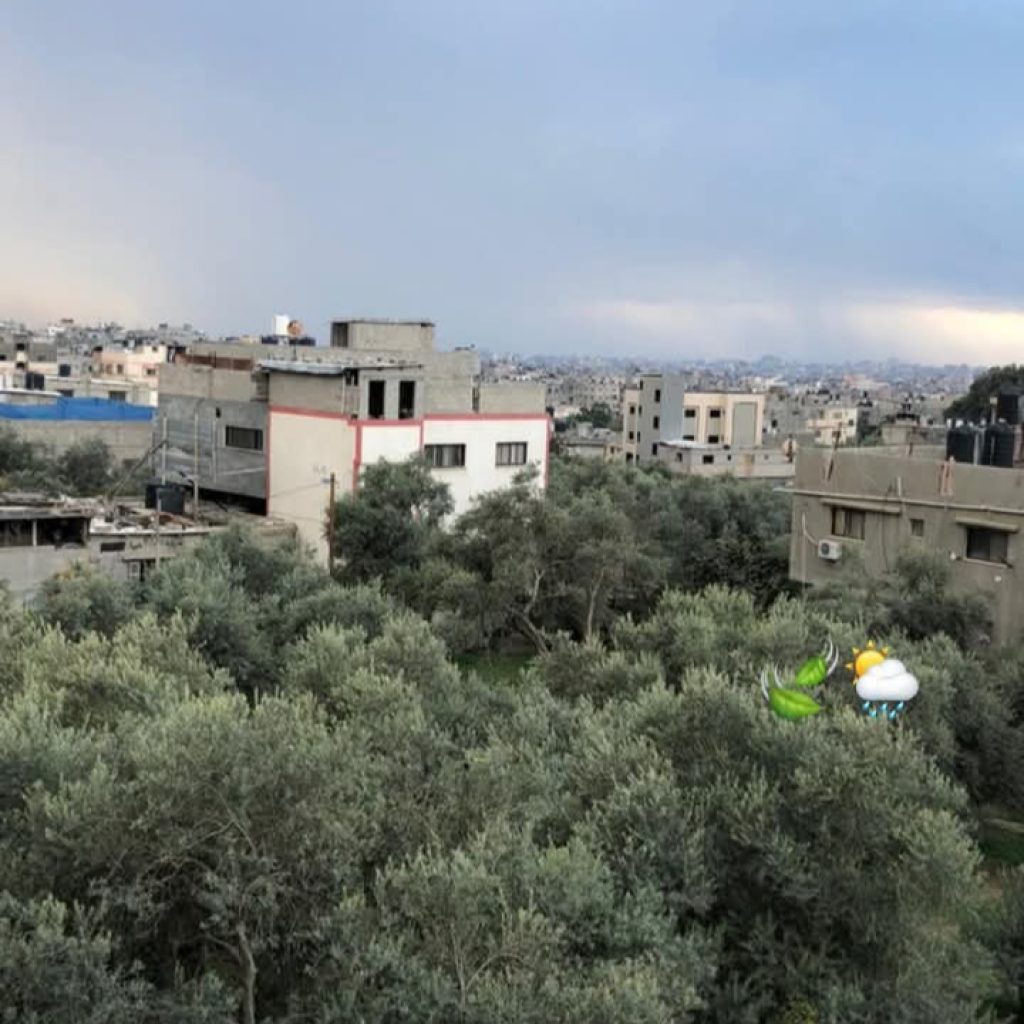
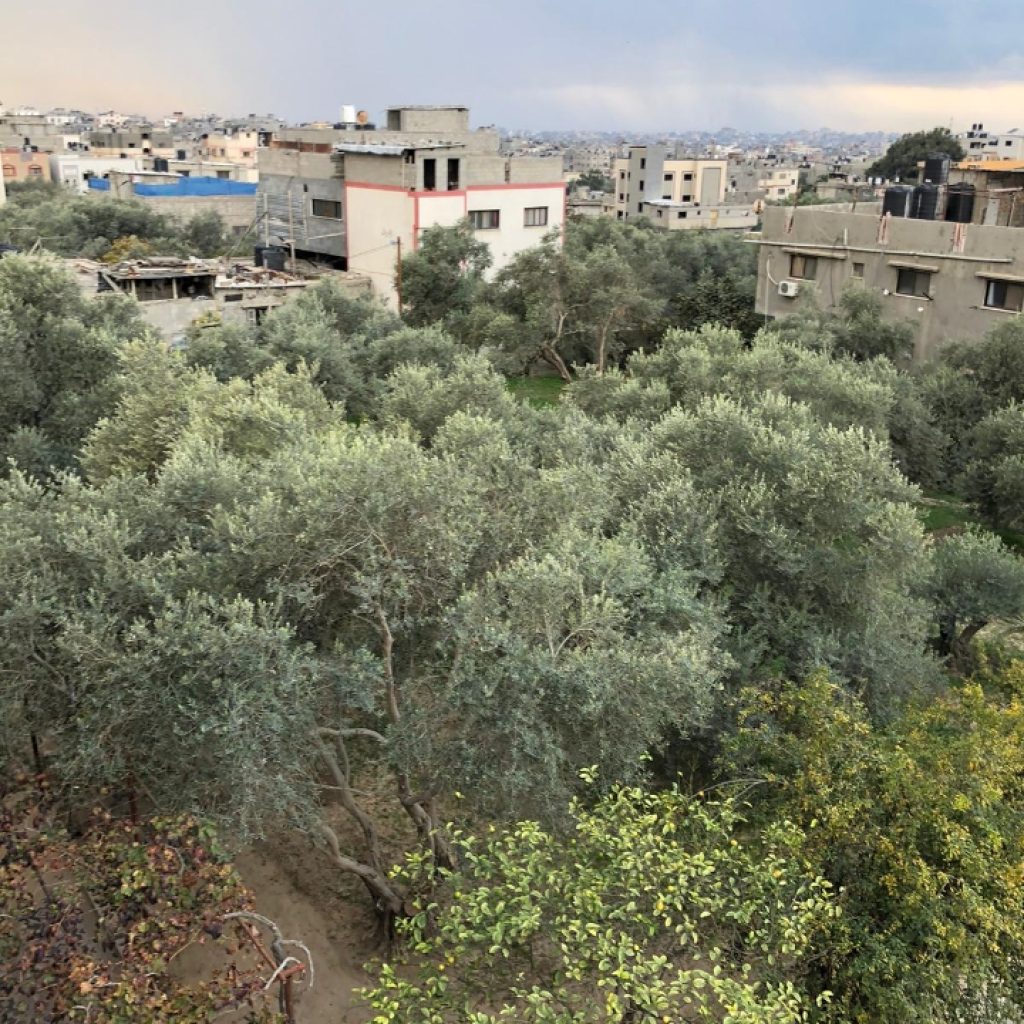
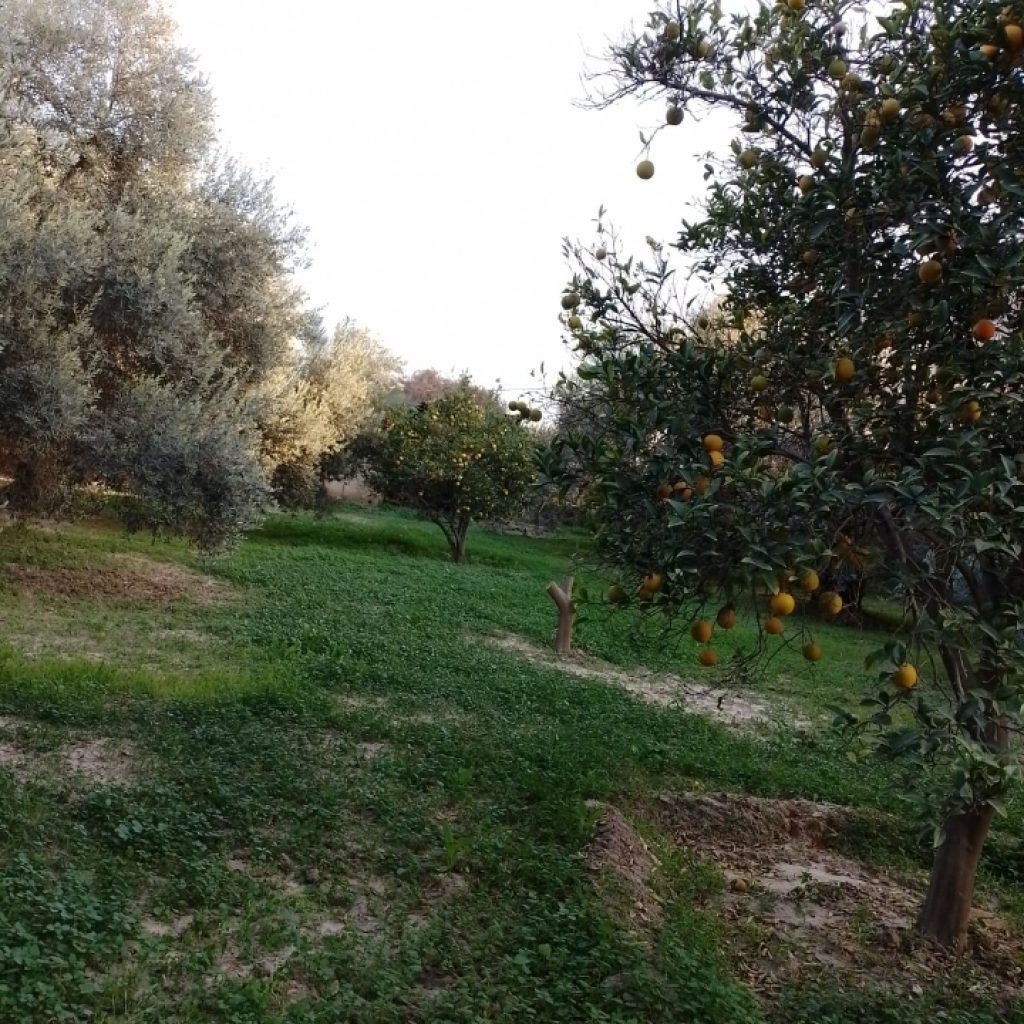
As a young adult, our property in al-Shujaiya was one of the few places I could find a brief respite from the constant chaos of life under siege. My mind was free to wander while birdsong serenaded my spirit and, whenever I looked skyward, I would marvel at the vast, clear blue canvas. When a gentle breeze blew, it would carry the fragrant perfume of blossoming fruits: lemon, peach, fig, pomegranate and orange. In my memory, al-Shujaiya was a place of pure tranquillity.
Before the outbreak of the ongoing genocide, the naivety of youth shielded me from the full weight of the siege. Things seemed more within reach then, though the reality was far from simple. I woke early from a worn but familiar bed, used a proper bathroom to wash my hands and face, dressed neatly for school with a wide smile. I was excited and less aware of the world’s harshness, but ready to face what I could.
The simple things
I used to take a taxi to work and back. I used to eat tasty meals that filled my hungry stomach. I used to light the stove with gas, prepare food with ease and enjoy it outside, surrounded by lush greenery.
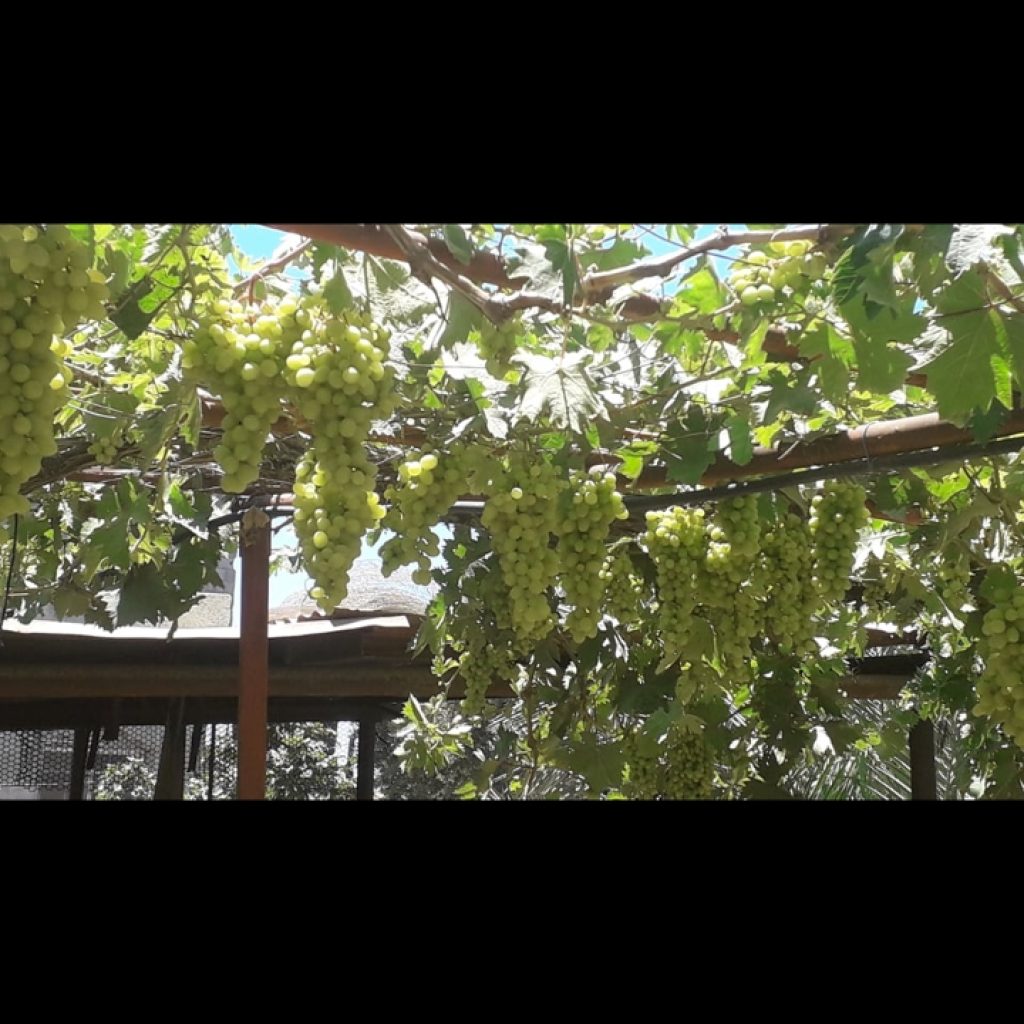
I would start my day with a warm, relaxing shower, effortlessly adjusting the water to the perfect temperature. I would sit at my desk, writing happy stories filled with dreams and possibilities. I remember the white grapevines glowing softly in the dark outside my window.
I remember the unforgettable moments of baking bread in the clay oven on our farm behind the house—where we often invited friends, relatives, and brothers-in-law to gather. Thursdays were special, filled with the aroma of delicious barbecued fish, beef, chicken and freshly baked mangeesh.
When my life collapsed
In an instant, everything I knew shattered around me. The home that once sheltered my dreams and laughter became an echo in time. The streets I walked as a child, where neighbors greeted each other with warmth, became lifeless. The safety and peace I once took for granted vanished overnight, replaced by fear and uncertainty.
Watching my world crumble beneath the weight of bombs and violence was like losing a part of my soul. Every familiar corner, every cherished memory, was swept away, leaving me displaced—not just from a house, but from the very essence of my life.
I don’t even know where to begin to fully express how painful and tragic my reality has become. Words fall short when trying to describe this misery. I once knew happiness and ease—a life I never imagined slipping through my fingers.
What we now call ‘home’
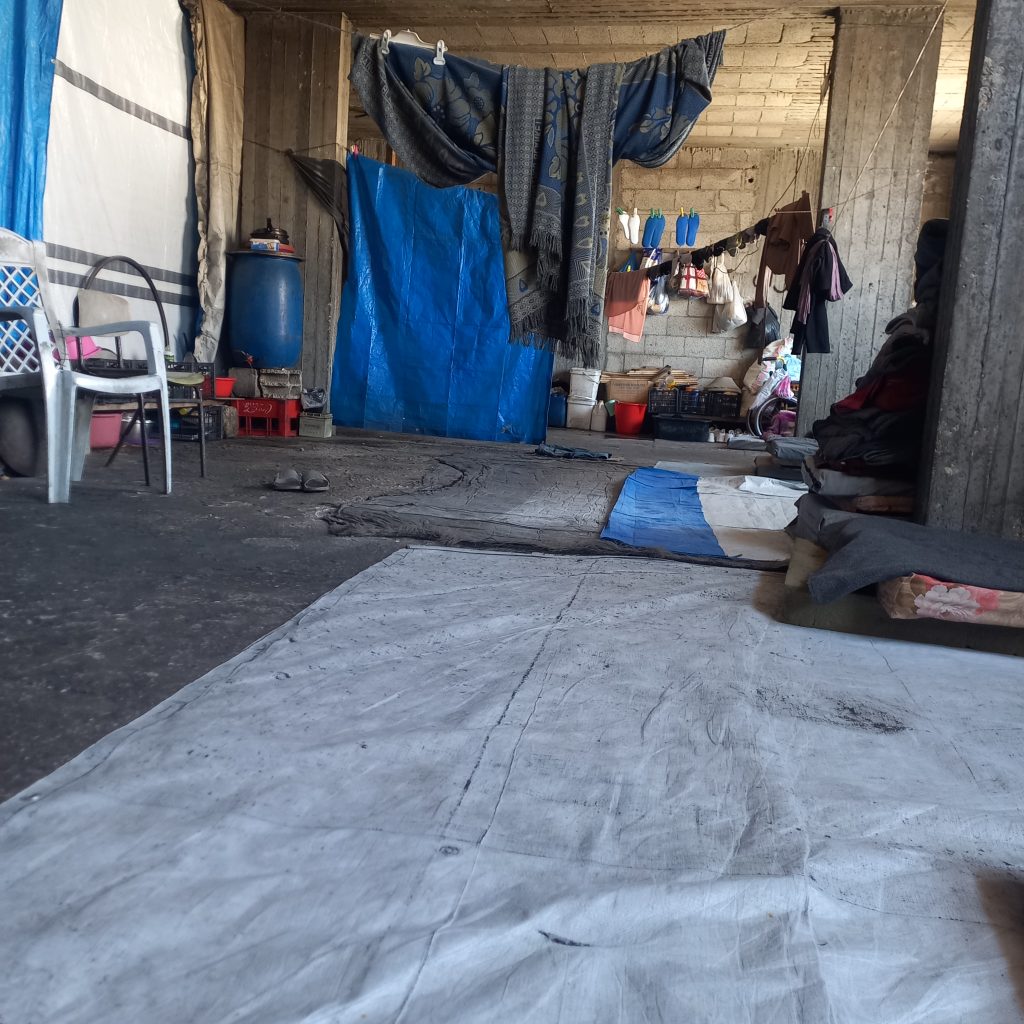
Everyday, I wake up alongside 15 family members squeezed tightly inside a damaged, rented flat. It breaks us to pay $700 for a filthy, dilapidated space, unworthy of human dwelling, but we are forced by threat of homelessness. We lie on cold, unforgiving floors. The chill bites through our bodies as we lay squished into an overcrowded space that offers no comfort and no relief.
Once day breaks, my time is consumed with hunting for the things we need, running errands, trying to work, making hectic trips back and forth, up and down the interminable stairs to the flat. Outside, we walk far and wide, searching for any place still offering charity food, called Tikya, to feed our starving children. We search for and sometimes have to buy cardboard so we can light a fire just to make a cup of tea or coffee, when we get back. We cook and eat the bare essentials to survive these hellish days. Without electricity or gas, cooking has become an arduous task.
It pains me to endure the same agonizing routine every day. The thought of spending the rest of my life in this partially damaged, wall-less ‘apartment’ in western Gaza feels suffocating; staying in this cramped space is claustrophobic enough.
The Nakba never ended
My family and I are among hundreds of thousands of Palestinians from the eastern parts of Gaza who were forced out of al-Shujaiya and other districts. Israel has maintained complete control of the area for a year, so far, with no sign of leaving. Many of us are left with nothing to survive this relentless famine. Every morning, we wake up bracing ourselves to face another harsh and uncertain day.
At night, I whisper a prayer to Allah, pleading for peace to come, for an end to the occupation, an end to the bombs and the restoration of the lives this genocide has stolen from us.
I long to return to al-Shujaiya, the place I love most, where my heart truly belongs. I daydream of resting in your embrace, ya al-Shujaiya—mishtaqlik ya qalbi.
Our existence is resistance
This genocide has forced me to reckon with a painful truth: ‘leaving home’ is not always a sign of happy prospects, like travelling abroad. Sometimes, it means remaining homeless in your own country, while everything around you turns into a living nightmare, drained by grief and loneliness.
Though my family home and al-Shujaiya have been wiped off the map, my desire to return to our farm remains strong. And there are many stories like mine. Justice is long overdue for our dignity and freedom in the land where we were born.
We continue to remain, uprooted yet unbroken, dreaming of return. Our hearts belong to al-Shujaiya, Gaza, Palestine. We endure because we have no other choice. But, to the people of the world who enjoy freedom, choice and option: it is not enough to simply ‘bear witness’. Choose to stand with us. Hold your governments and institutions accountable. Take meaningful action. Disrupt the ‘economy of genocide’.
Yusuf El-Mbayed wears many hats on Gaza’s frontlines—freelance reporter, human rights advocate, and English teacher and trainer. Through his impactful work, he teaches the language of hope while telling the stories of his people with deep love, courage, and resilience. Or “Yusuf El-Mbayed is an English teacher and trainer at a private school in Gaza, a human rights activist, and a freelance writer. He has worked as a writer and reporter for Palm Strategic Initiatives Centre, Palestine Now, and the 16th of October Group.”

Comment (0)