
Jocelyn Qassis – July 2026
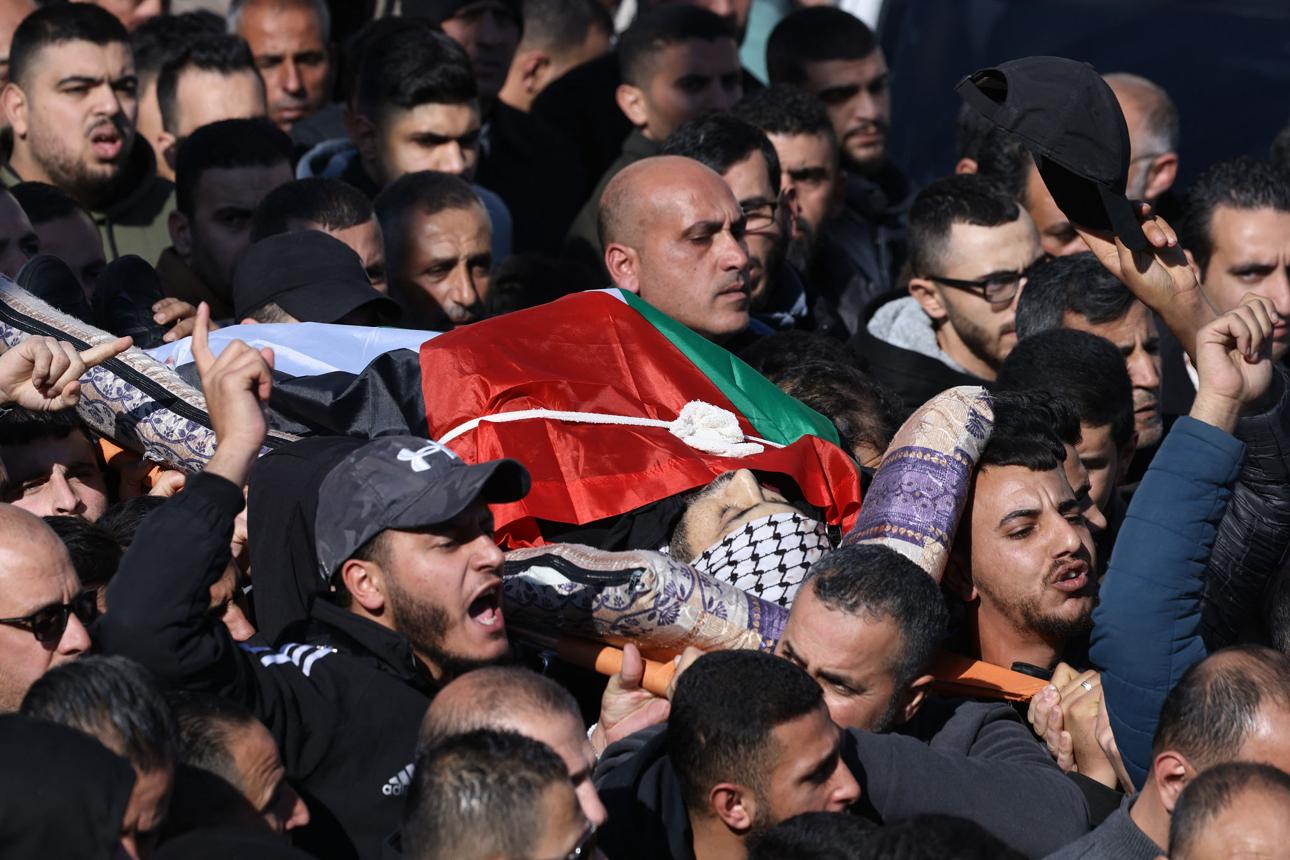
“As Palestine celebrated a new generation of graduates, Nablus mourned four young Palestinians.”
While thousands of Palestinian students waited to learn the results of years of hard work, families across Palestine were waiting for another announcement.
The names of those they would never welcome home again.
On the same day that Tawjihi results filled homes with tears of joy, four Palestinians were killed in the village of Tell, southwest of Nablus, during violence involving Israeli settlers and Israeli forces, according to Palestinian health authorities and international reporting. Across Palestinian society, many mourned them as martyrs. Their names quickly joined a growing list of young Palestinians whose lives ended before they had the chance to fulfill their dreams.
For many around the world, graduation day is remembered for photographs, celebrations, and the beginning of a new chapter.
For Palestinians, even the happiest moments can unfold alongside grief.
A family congratulates a son or daughter for passing Tawjihi, while another family prepares a funeral. One home welcomes visitors carrying flowers and sweets. Another opens its doors to mourners. Both stories belong to the same day.
This is not an isolated tragedy.
The killings in Tell unfolded against a broader pattern of escalating violence across the occupied West Bank. According to the United Nations Office for the Coordination of Humanitarian Affairs (OCHA), attacks by Israeli settlers resulting in casualties or property damage have reached record levels. Since the beginning of 2026, approximately 850 Palestinians have been injured in incidents linked to settler violence, while thousands more have been affected by repeated attacks on homes, farmland, and essential infrastructure. Entire Palestinian communities have also been displaced as a result of these attacks and the restrictions that accompany them.
These figures tell only part of the story.
Behind every statistic is a family forced to bury a loved one. Behind every attack is a community living with fear, uncertainty, and the constant possibility that everyday life can be shattered without warning.
Education has always represented hope in Palestine.
Students prepare for their examinations while military raids take place in nearby towns. They revise lessons despite checkpoints, movement restrictions, economic hardship, and recurring violence. Every certificate earned represents determination under conditions that few students anywhere in the world are asked to endure.
Yet even this hope exists under the shadow of loss.
The young Palestinians whose lives ended near Nablus were not numbers. They were sons, brothers, classmates, colleagues, and members of communities that now carry another lasting wound. Their absence will be felt around family tables, in university classrooms, in workplaces, and in neighborhoods where they had imagined building their futures.
The tragedy extends beyond those who were killed.
According to OCHA, Palestinian children continue to bear a disproportionate burden of the violence. During the first half of 2026, children were among those killed, injured, and displaced across the occupied West Bank. Their education, mental health, and daily lives continue to be disrupted by recurring violence, military operations, and attacks by settlers.
No society should accept a reality where students receive examination results while funeral processions move through nearby streets.
No family should celebrate one child while mourning another.
Palestinians continue to pursue education because they believe in a future beyond violence. Every student who reaches graduation does so despite circumstances that would challenge any education system. Every family that celebrates academic success does so while knowing that uncertainty remains part of daily life.
Resilience should never be mistaken for acceptance.
The normalization of violence against Palestinian communities is not inevitable. It is documented, measurable, and repeatedly highlighted by international organizations. The continued rise in attacks, displacement, and civilian casualties demands more than expressions of concern. It demands accountability and meaningful action.
As Palestine celebrated the success of a new generation of students, it also mourned another generation whose futures were cut short.
Their names deserve to be remembered.
Their stories deserve to be told.
And their families deserve a future where joy is no longer interrupted by loss.

Comment (0)